
Better Temperature Control in Reefer Trailers with Passive Cooling
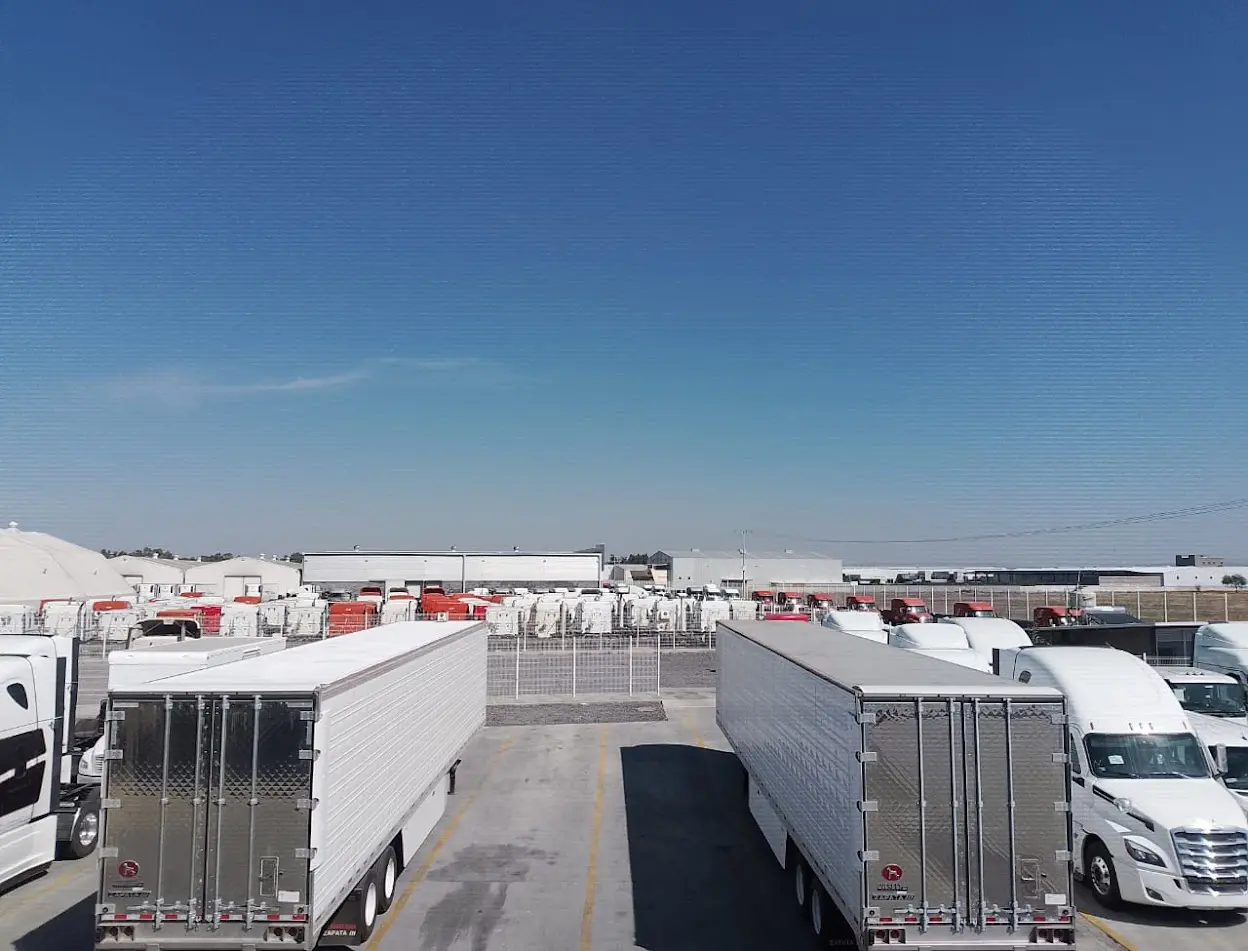
The Challenge
How can fleets reduce thermal load and fuel consumption while improving temperature stability for temperature sensitive cargo?
Refrigerated trailers must keep their contents cool, while operating under constant exposure to intense solar radiation, particularly in regions with year-round sun. Traditional aluminum trailer roofs can reach surface temperatures up to 70°C. This intense heating radiates into the trailer interior through the insulation and steel roof supports, raising interior wall temperatures and forcing refrigeration units to work harder to maintain setpoints. The result is higher diesel fuel consumption and increased wear on refrigeration components.
The Solution - PolyFrost
PolyFrost, ChillSkyn’s passive cooling coating, was spray-applied over a new 53′ refrigerated trailer to compare the thermal performance of its coated roof against an identical trailer with a bare aluminum roof.
PolyFrost is engineered to reflect solar heat, maintain cooler roof surfaces, and reduce thermal transfer into vehicle interiors.
PolyFrost
PolyFrost is a spray-applied, passive radiative cooling (PDRC) coating designed for sun-exposed surfaces in transport and industrial applications.
Reflects Solar Radiation
Reduces surface heating.
Maintains Cooler Interiors
Without adding additional energy demand.
Scalable and Easy to Apply
Using standard spray equipment, just like paint, in under 12 hours.
Effortless Maintenance
Regular cleaning with soapy water ensures long lasting peak performance.
Results
Field Trial
- Celaya, Mexico - February 27, 2025
- Solar radiation: 2:00 pm - 900 W/m2
- Outdoor temperature 28°C (82°F)


PolyFrost coated roof – 6°C (10°F) temperature reduction
No active cooling used
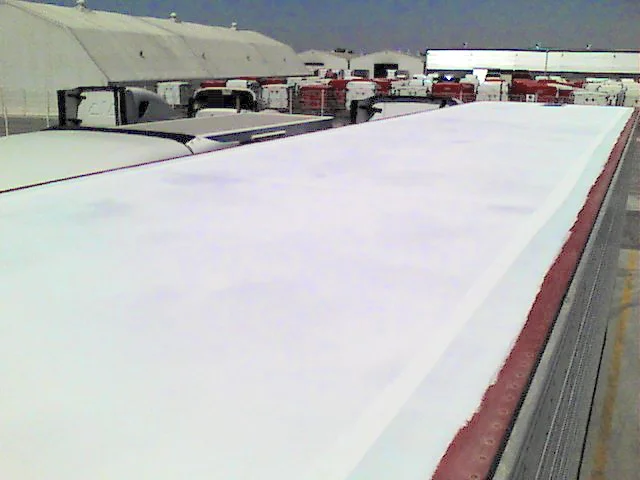
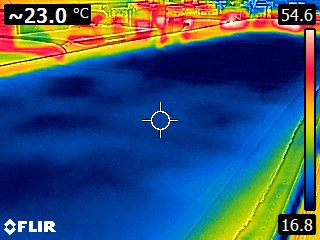
Performance Comparison | |
|---|---|
Internal temperature of Bare aluminum trailer | 34°C (93°F) |
Internal temperature of POLYFROST coated trailer | 28°C (82°F) |
Internal temperature drop with POLYFROST | 6°C (10.8°F) |
Key Impacts
Reduced refrigeration workload
Cooler roof and wall temperatures mean the reefer unit cycles on less often in start-stop mode, lowering total runtime.
Lower fuel consumption
Shorter pull-down times and fewer compressor cycles translate into reduced diesel use and operating costs.
Extended equipment life
Reducing the workload on the refrigeration system helps limit wear on compressors and related components.